Minimalist living. What are the benefits?

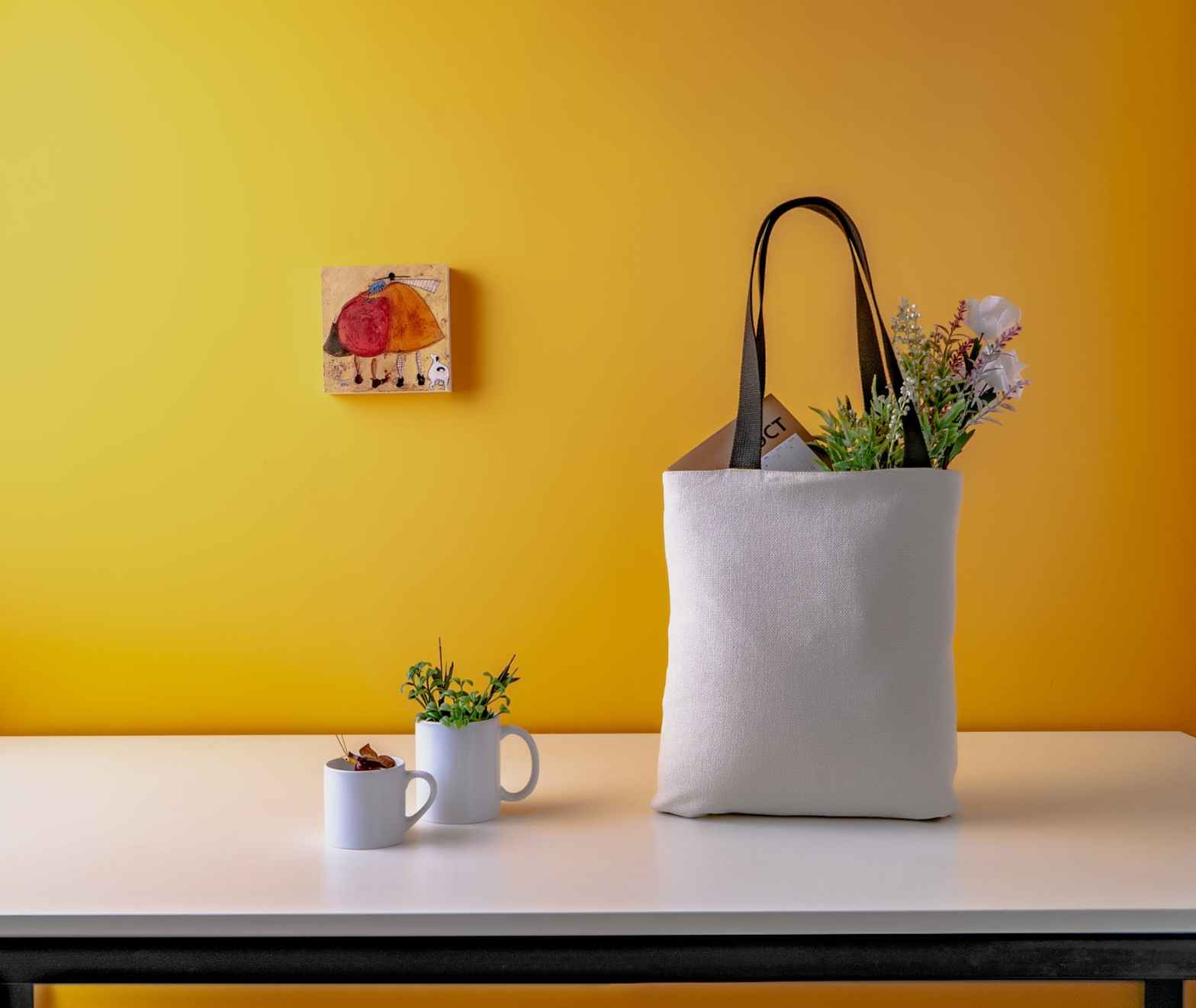
You probably heard about the minimalist living trend, or saw a documentary. It is about decluttering your life, physically and/or mentally. A first step can be decluttering your home and being way more judicious about new purchases, with various potential benefits: less stress, more financial independence, being more environmentally friendly, and bringing less toxins into your living space. Some people feel free and calm when their homes are airy; they can focus on other things instead of material possessions, such as experiences and human connections.

This philosophy can also be applied outside the home and physical possessions; it can translate to relationships and activities in our life. A great amount of our daily stress resides in the need to multi-task and balance a lot of voluntary commitments. We feel obligated to keep in touch with a lot of people, we waste a lot of time on social media, we think that participating in a variety of activities can make our lives meaningful. I think that trimming down on things and activities in our life, as well as curating and prioritizing values and objectives could be beneficial to our mental health.

If this is for you, you can start by applying a few basic principles: is this object useful to me (maybe a criteria is having been used in the past 3 months)? Or does it bring me joy? What people do I value most, or elevate my wellbeing? What activities make me feel happy or as though I am doing something valuable?

Did you do anything to simplify your life? How does it make you feel?

Group B streptococcus (GBS) positive test in pregnancy. Now what?

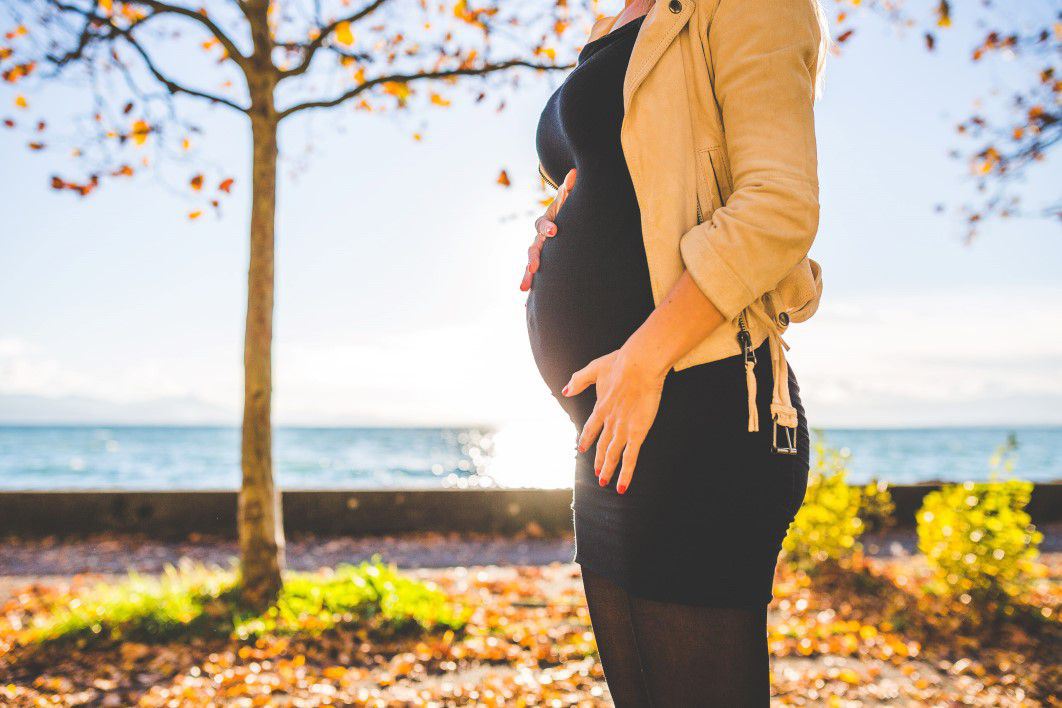
Group B Streptococcus (GBS), a gram-positive bacterium is found in the gastrointestinal and/or genitourinary tract of up to 30% of pregnant women, and it can be passed to the baby during vaginal delivery. GBS infection in newborn babies is a major cause of meningitis (infection of the lining of the brain and spinal cord), pneumonia (infection of the lungs), and sepsis (infection of the blood) (CDC). To prevent early onset GBS disease in newborns, the medical guidelines recommend intravenous antibiotics during labor (usually penicillin, if not allergic) to all women who tested GBS positive during week 36-38 of pregnancy (ACOG Committee Opinion, 2020). Similar guidelines are in place in all Western countries.

So why is there somewhat of a controversy surrounding this recommendation? First of all, because the evidence base to determine adverse events, short and long term safety of intrapartum (during labor) antibiotic prophylaxis is limited (according to a systematic review by Seedat et al. published in 2017). Second, according to the same scientific review, up to 30% of women with GBS positive results at 35-37 weeks revert to negative by labour.

So what to do? My approach to health and prevention coaching is often based on the Health Belief Model, exploring with each individual the “health threat” and the personal benefits vs. the barriers of implementing the preventive measure, as well as their motivations and ability to successfully take action. The decision is theirs in the end, to the extent that medical and ethical codes and regulations do not dictate otherwise.

In this case, I would deconstruct the dilemma in the following way. What is the “health threat” of GBS after labor? According to the CDC and ACOG, the probability of a newborn developing early onset GBS disease is 0.5%-1% without labor antibiotics, even when the mother tested positive. The mortality rate in these babies is 4-6%. So overall, in the absence of antibiotic prevention, the mortality risk for babies born to GBS positive mothers can be 0.06%. This is assuming that all women who tested positive are truly positive at the time of labor. Subsequently, I’d clarify the benefit of antibiotic prevention to each GBS positive woman: according to the CDC, the risk of infection/death for the baby will be reduced by a factor of 20, and this could bring peace of mind to a lot of women. In terms of the “barriers” to antibiotic prevention, apart from any potential discomfort and other personal beliefs, the key one might be the limited evidence of short and long term safety, especially for the child.

Among the safety concerns mentioned in the above cited systematic review, studies found alteration of the infant microbiome especially in the short term and antimicrobial resistance, while one randomized controlled trial-deemed having methodological limitations- reported a higher long-term risk of cerebral palsy in the children. A separate new, retrospective population based study reported that prenatal antibiotic exposure is associated with a small increase in the risk of autism-spectrum disorders (ASD), especially for antibiotic exposures in the 2nd and 3rd trimester (Hamad et al, Prenatal antibiotics exposure and the risk of autism spectrum disorders: A population-based cohort study, 2019). Note that this study did not specifically examine antibiotic use during labor.

In summary, given the current risk/benefit equation, the medical guidelines concluded that antibiotic prophylaxis during labor is the correct course of action. Each individual’s appraisal of the above risks/benefits and their level of risk tolerance is different and can lead to the same or a different decision (again to the extent that the medical facilities even allow a personal choice in this situation).
My Signature Story

The big C. Everybody says they know at least one family member or close friend that died from cancer, billions of dollars are poured into research for treatments and we “walk/run for a cure”, but is this enough or should we switch gears and focus on prevention, clean up our water, food and environment? 

I happened to devote the first part of my professional career to the treatment side of the health continuum, trained and educated in business, working on strategy, financial forecasting and consulting for various life science companies, mostly in oncology. I spent a lot of time supporting those trying to find treatments for cancer, prospecting the needs and prioritizing funding. Then I got up close and personal with the C, when it struck down two immediate family members at the same time, and the questions started to swirl: could we have prevented it? Can I do more to help people preserve their health and be around for their families longer? Can I pivot roles and be on the front line of the fight and interact with people more directly? And since having a daughter in this increasingly polluted and fast paced world, these questions became even more meaningful and pressing. 

I now believe that health is not only the absence of disease, it’s a state of wellbeing, maximizing our mental, spiritual and physical self. Also, prevention can go beyond avoiding risk factors and focus on mitigating some uncontrollable circumstances in our lives. With this personal and professional mantra, my interest now lies in disease prevention, particularly women’s and children’s health. We need a new paradigm, in which health and prevention services are holistic, longitudinal and positive rather than one-off and driven by fear. Why? Because we keep hearing that doctors do not have the time or the necessary training to offer “positive health”, because we need more than healthcare to be truly healthy and there are no “one-stop-shops” for comprehensive health/wellness/prevention services that target mind, body and spirit. And why women’s health? Because some women deal with silent, traumatizing or debilitating conditions such as infertility, endometriosis, cancers and because women need and deserve healthy pregnancies. Walking a new path is usually taxing and sometimes people get lost. But this is how new territories are found and hope is renewed. My hope is to find like-minded people along the way and start helping women and children directly, concretely and positively.